
By: Cat Ebeling, RN, MSN-PHN, co-author of the best-sellers: The Fat Burning Kitchen, The Top 101 Foods that Fight Aging & The Diabetes Fix
It just seems inevitable, doesn’t it? Once you get into your 40’s, 50’s and beyond, stiff and sore joints just seem to be a ‘normal’ part of aging. But does it have to be? Arthritis means inflammation of the joints. Arthritis symptoms feel like stiff, aching, difficult or painful to move joints and bones. The pain and stiffness can vary from day to day. There are a number of types of arthritis, but the most common type of arthritis is osteoarthritis. I started getting arthritis in my hands in my 40’s, but by making a few dietary changes, my arthritis improved drastically. To me, longevity and healthy aging are the keys to a great quality of life. Staying active is also one the keys to living longer—and happier. We should all be able to move around pain free.
When you think about it, osteoarthritis is a simply a common inflammatory disease that attacks the joints. In fact, according to the Centers for Disease Control and Prevention, about 1 out of every 4 adults in the U.S. (23.7%) or about 58.5 million people have doctor-diagnosed arthritis. That means the prevalence of arthritis is most likely much higher, since not everyone goes to the doctor for everyday aches and pains.
While arthritis seems like the expected result of aging and general wear and tear on the joints, there are other causes as well. They include: Age—especially over age 50 Previous injuries Overweight or obese Other autoimmune diseases Family history of arthritis Muscle weakness Poor or tight muscles causing a malalignment of the joints—often in the hips or knees

Osteoarthritis is thought to come from wear and tear on the firm rubbery cartilage that protects the joints from shock and stress. When this cartilage wears down, the result is pain, stiffness, and inflammation in the joint area. Common areas are neck, hands, fingers, knees, feet, and toes, but arthritis can occur in most any of the joints of the body.
At its worst, arthritis can cause bone on bone friction, without the protective cushion of the cartilage. Arthritis can also cause reactive bony growth near the afflicted joint, adding to the pain and difficulty of movement. As joints become increasingly damaged, new reactive bone deposits can form around the joints.
These bone spurs, or osteophytes as they are called, can develop over time in those with arthritis and cartilage damage. Osteophytes often occur in feet, hands, knees, shoulder, and neck area. Even with heavy wear and tear on the joints, not everyone gets osteoarthritis.
Arthritis is primarily a disease of inflammation, so if you can reduce or eliminate inflammation in your diet and lifestyle, you can stop or slow the progression of arthritis—and the pain, stiffness and lack of mobility that accompanies it.
One of the best ways to reduce inflammation is to take a closer look at your diet. It is imperative that you ditch the grains, sugar, and any processed foods first. Many of these foods that you eat on a daily basis cause ongoing inflammation in your body and your joints.
What To Avoid And What To Eat
-
Grains–The first step is to eliminate grains from your diet, especially gluten. Gluten is notorious for inflammation and is often connected to arthritis. Some studies have looked at Rheumatoid Arthritis, another form of inflammatory arthritis and there are positive connections to ingestion of gluten and exacerbations of arthritis flares.
It’s a given that gluten will also worsen osteoarthritis. And you don’t have to react to gluten to have it cause inflammation. The inflammation happens anyway.
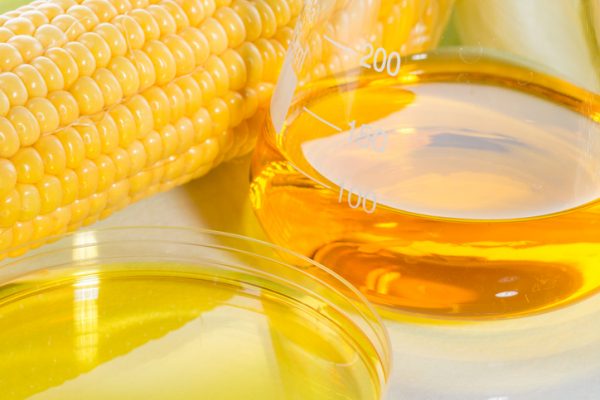
Corn in all its forms, including corn syrup, corn starch, maize, etc. is also extremely inflammatory, especially to bones and joints. There are many anecdotal reports of diets high in corn causing arthritis and short stature in Native Americans.
Since grains tend to be inflammatory, my suggestion is to ditch all the grains. I personally have noticed that when I occasionally eat a little bit of rice, it’s noticeable the next day in the form of stiff, sore joints, along with brain fog. And avoid “gluten free” products as well. Even if they say “grain-free” they usually contain tapioca or cassava, a refined starch that works well in gluten free foods, but does your body no favors in terms of health or carbohydrate control.
-
Vegetable Seed Oils—It’s super important to avoid omega 6 fats as much as you possibly can. Stay away from any foods that contain corn, soybean, canola, sunflower, or other vegetable oils—except extra virgin olive oil. Omega 6 fats from these vegetable seed oils create high levels of an inflammatory cytokine called interluekin-6 (IL-6). In studies, it has been shown that ingesting these fats definitely increases inflammation in joints.
Avoid salad dressings, pre-made sauces, any foods that are fried (especially from a restaurant), and anything labeled “vegetable oil”. These foods generally contain some variety of vegetable oil. Fortunately, there are a few food items available in the grocery stores these days that contain avocado oil instead of vegetable seed oils. Avocado oil is a whole different type of oil and is healthy for you. Just be sure to read the ingredients to be sure that avocado is the only oil used. Far better fats for your aching joints are the more healing fats like grass fed butter, extra virgin olive oil, coconut oil, and a diet heavy in fatty fish or omega 3 supplements. These oils are anti-inflammatory to all parts of your body.
-
Nightshades–While some people find that nightshade vegetables such as tomatoes, potatoes, peppers of all kinds and eggplant can aggravate inflammatory responses, I have found that just avoiding white potatoes can help ease the pain of arthritis. On top of that, white potatoes are often fried in the above offending oils, so eating foods like french fries and potato chips can often deliver a double whammy of inflammation.
Sweet potatoes and squashes are much friendlier to the body and low on the inflammation scale.
-
Conventional Meat–Conventionally raised cattle raised on corn and grains, tend to be higher in omega 6 fatty acids and lower in anti-inflammatory omega 3 fatty acids. Grain-fed, conventional meat is a potential source of inflammation due to the different fatty acid profile–along with the antibiotics, hormones and other chemicals used in raising that type of meat. Grass fed meat yields a higher ratio of omega 3’s to the omega 6, making it a better choice to avoid inflammation.
Grass fed dairy, pasture raised eggs, and wild caught fish—are all higher in beneficial omega 3 fats.
Foods And Nutrients That Help Relieve Arthritis
-
Foods high in sulfur often are beneficial to those with arthritis. Sulfur helps to reduce joint inflammation. Sulfur contains a form of methylsufonylmethane (MSM) which has been shown to lower pain and help to restore function to inflamed joints. Best sources of sulfur containing foods include turkey, beef, eggs, fish, and chicken, as well as vegetables containing allium such as onions, leeks, scallions, garlic. Cruciferous vegetables also contain lots of sulfur, which is why they taste good, but don’t always smell so great
Collagen is another nutrient that is excellent for arthritis. Collagen contains two amino acids, proline, and glycine, that are building blocks for connective tissue and cartilage. Bone broth and meat–especially beef, pork, lamb, and poultry contain good quality collagen. Bone broth also contains chondroitin sulphates and glucosamine which are anti-inflammatory antioxidants.
Another great source of collagen is chicken feet—try them in a soup or stew, if you feel brave enough! Vitamin D3 from the sun or supplements can also improve osteoarthritis. Vitamin D helps to protect and prevent osteoporosis which increases the risk of osteoarthritis. In a study published in Clinical Rheumatology, it was found that participants who had low dietary vitamin D intake had an increased risk of knee osteoarthritis. Low vitamin D levels also contribute to lower bone mineral density, and those participants were at even higher risk of osteoarthritis.
-
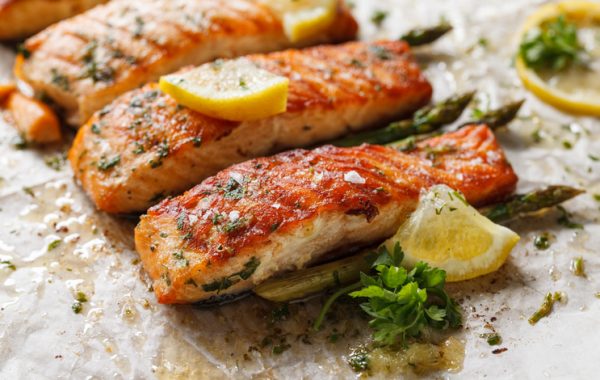
Omega 3 fats in the form of fatty fish or grass-fed meat have been proven to be anti-inflammatory and soothing to joints. In the Sept issue of the journal Osteoarthritis and Cartilage, researchers reported results of a study with that found omega-3 fatty acids reduced many of the signs of osteoarthritis.
“This study is the first to look at both cartilage and subchondral bone changes with increased dietary [intake of] omega-3 polyunsaturated fatty acids,” says John Tarlton of the University of Bristol’s School of Veterinary Sciences. Other clinical studies over the past 20 years have shown repeatedly that omega 3 is essential for inflammatory conditions like osteoarthritis.
-
Glucosamine is a natural substance that helps to produce joint cartilage. When a person has osteoarthritis, the glucosamine synthesis is defective. Supplementation with glucosamine, however, is beneficial. In addition to providing raw material for joints, the presence of glucosamine seems to stimulate the body to produce more material to protect the joints. Glucosamine has been shown to slow down progression of the disease and relieve some of the painful symptoms.
-
Curcumin, the active ingredient in turmeric, is protective for joints and is proven useful in treating osteoarthritis. This systematic review and meta-analysis provide scientific evidence that standardized turmeric extract (typically 1000 mg/day of curcumin) treatment can reduce pain and swelling in osteoarthritis—as well as using medications such as ibuprofen and diclofenac sodium. Curcumin extract is available a supplement, but the most delicious way to enjoy the benefits of turmeric is to eat Indian food and curries.
 While it sounds counterintuitive, movement, exercise, and weight training can all potentially help improve the pain of osteoarthritis. Lifting weights helps support the formation of stronger bones and healthier cartilage. But don’t leave out a variety of cardio activities like hiking, biking and even sprinting to help reduce the pain and stiffness of osteoarthritis. The toughest part is the start. Once you are warmed up, movement and exercise can feel really good.

One of the more recent findings is cold plunge therapy for arthritis, but more research is needed. One small study conducted in 2011 found that cyclists who completed intense training sessions had decreased soreness after they were immersed in cold water for 10 minutes. 

Another study from 2016 of 20 participants showed similar findings. Athletes who soaked in a pool of cold water (12°C to 15°C) reported less muscle soreness than those who had no hydrotherapy after exercising. The reason that cold water helps ease pain and soreness is that the cold water tends to reduce swelling and inflammation. It stands to reason that this type of therapy can also help osteoarthritis sufferers as well.
Not only does cold therapy reduce inflammation, but it also helps to lower levels of anxiety and depression as well. The cold stimulates epinephrine, adrenaline, and dopamine, which all contribute to an improved mood. Cold plunge therapy following a workout is especially helpful for those with arthritis.
Although osteoarthritis is a very common disease of aging joints, it does not necessarily have to be a part of aging. Arthritis is a condition of inflammation, so paying attention to diet and lifestyle factors is extremely important to avoid this painful condition. As always, taking care of your health and eating an anti-inflammatory diet, getting good sleep and regular exercise are important pillars for your overall health and optimal aging.
Along with taking care of your health and improving your eating habits, our friends at UpWellness have created this easy 3-Sec Quiz to get your chronic inflammation under control once and for all. Take this 3-Sec quiz now.
Do you wake up in the morning with stiff joints or pain in your hips, back, knees or elbows? Then chances are you’re feeling the effects of chronic inflammation taking its toll on your body.
The good news is that it is NEVER too late to help get this under control. And the best part is there are certain foods that help you do this naturally, without the need for prescriptions medications.
3-Sec Quiz: What is the #1 Anti-inflammatory Food?
A: Turmeric
B: Onion
C: Pineapple
D: Black Pepper
E: Other
Remember, it’s NEVER too late to get chronic inflammation under control. You just need to know how to do it.
Translate This Page